Culture · 3,440 m — Namche Bazaar
The People Who Carry the Mountain
Notes on Sherpa life, respected from below
8 min read · Expedition Journal · April
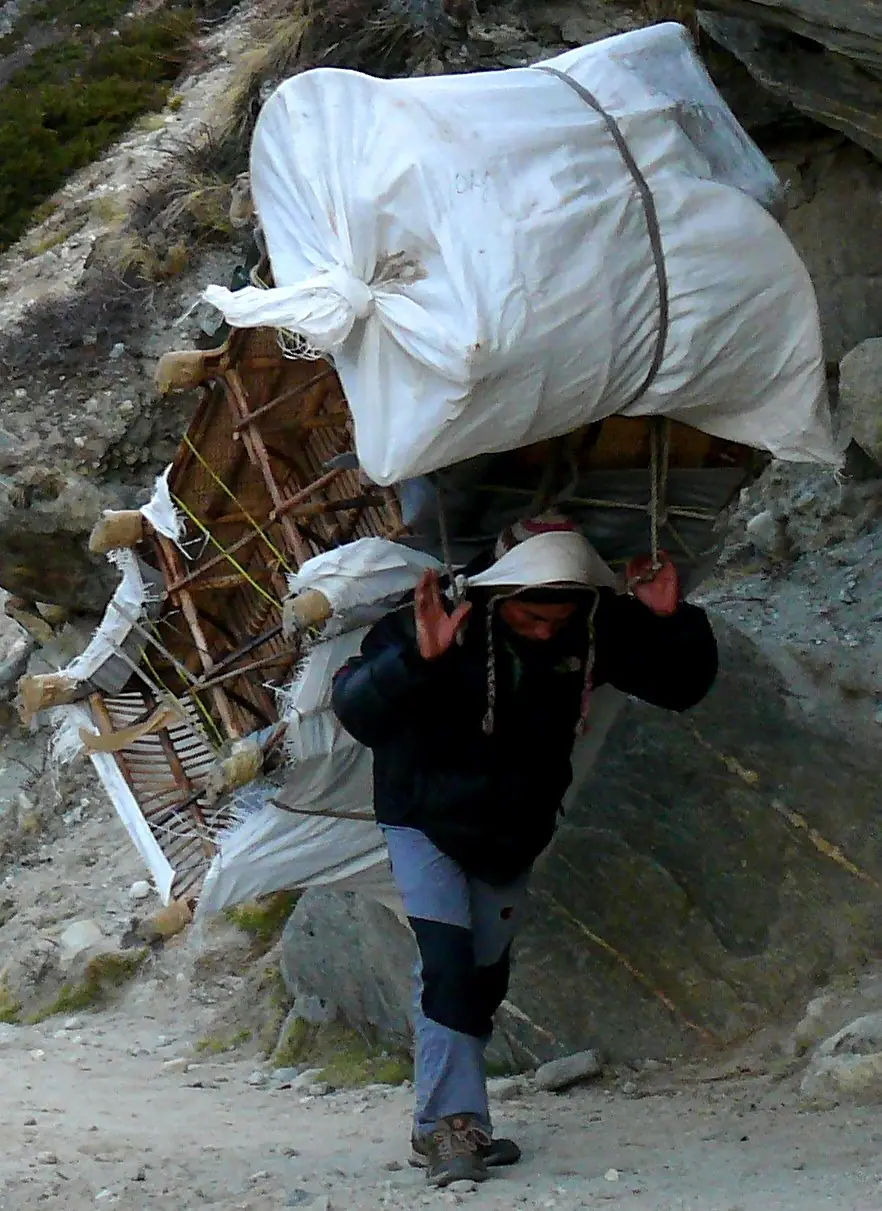
'Sherpa' is not a job title. It is an ethnic people whose homeland is the highest inhabited valley system on Earth.
The most common misunderstanding in Himalayan tourism is contained in a single word. 'Sherpa' is not a job title. It is an ethnic people — a Tibetan-origin population whose homeland, the Khumbu, is the highest inhabited valley system on Earth. The profession is mountain work; the people are Sherpa whether they carry a load or run a lodge or a software company in Kathmandu.
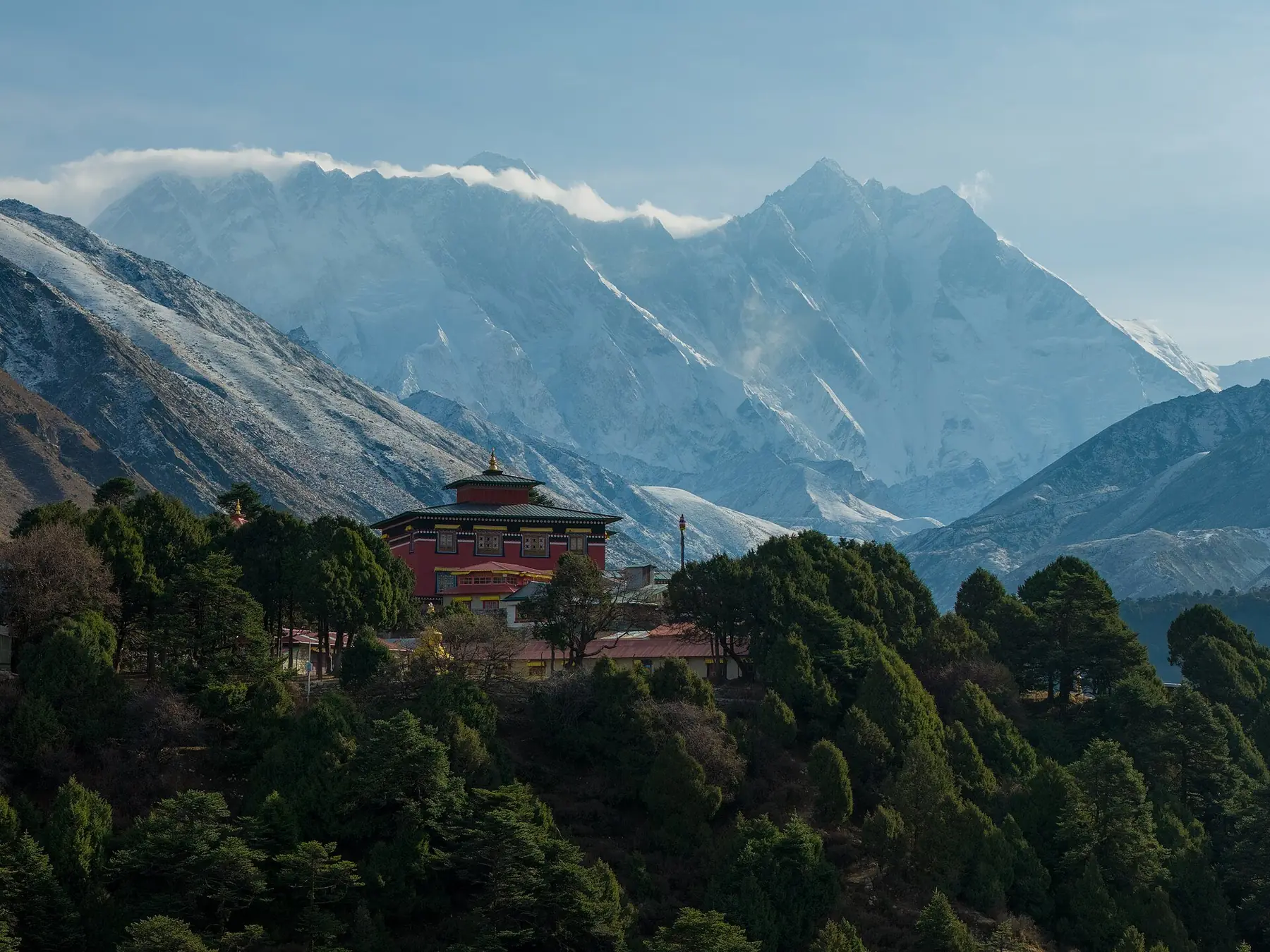
The respect that the world owes this community is not merely for its climbing records, extraordinary as they are. It is for the whole civilisation that makes the high country possible: the trail networks, the lodge economy, the yak trains, the monasteries, the whole system of life engineered to function at altitudes where lowlanders require bottled oxygen.
The architecture of altitude
Sherpa building is a technology for surviving cold: thick stone walls, tiny windows, interiors wood-panelled and insulated, the kitchen the warm heart of every house. A Sherpa kitchen at 4,000 m in January is the most efficient machine for human warmth ever built.
The same logic scales up to expedition infrastructure. Every camp on Everest — the ropes, the ladder bridges over crevasses, the fixed lines — is built by Sherpa climbers, the 'icefall doctors', each spring. The mountain is not climbed so much as prepared, one season at a time.
Names to know
Tenzing Norgay, of course — the first ascent of Everest, 1953. Ang Rita Sherpa, who climbed Everest ten times without supplemental oxygen. Kami Rita Sherpa, who has summited Everest more than any human in history. Babu Chiri Sherpa, who slept overnight on the summit. Lhakpa Sherpa, the woman with the most Everest summits of anyone.
Read the names slowly. Each one is a story that outclasses every legend the lowland world has ever told about the mountains.
Field note
Written from 3,440 m — Namche Bazaar. Names, places, and conditions as encountered — editorial content, not a route guide.