Field notes · 5,087 m — Island Peak Base Camp
Life at 5,000 Metres
The village where the air is half-finished
7 min read · Expedition Journal · October
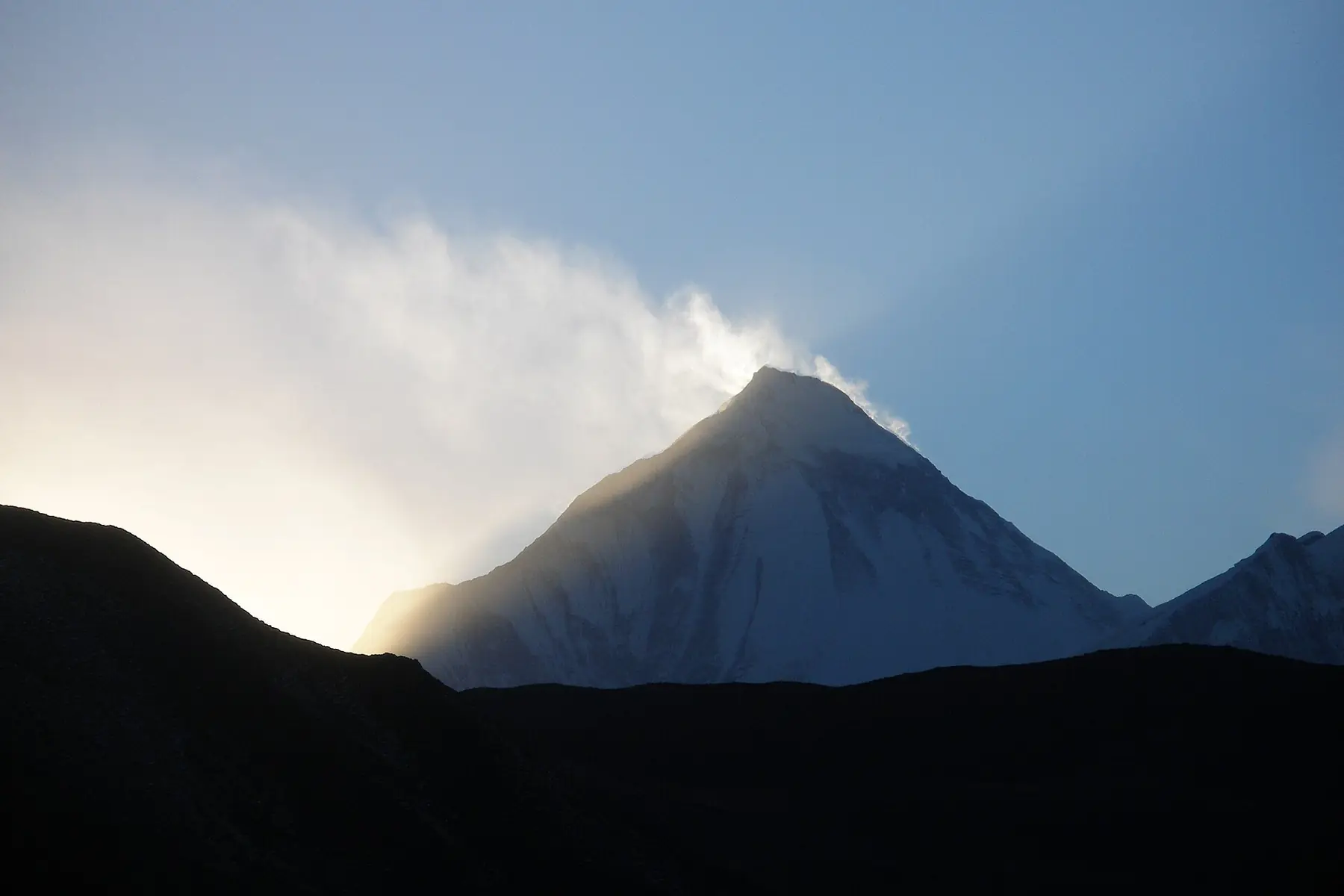
At this altitude, the body spends most of its energy simply existing — and remains cheerful about it.
The high villages are built on the absolute edge of what a human settlement can be. Gorak Shep, Lobuche, Chhukung: names that mean the last stop, the final stone, the end of the valley. Above them there is nothing but glacier and expedition infrastructure.
The air at 5,000 metres carries roughly half the oxygen molecules of the Kathmandu valley. Everything runs at the speed of that fact: kitchens, conversations, hearts. A flight of stairs is an expedition. The lodge dining room after dusk is the warmest, slowest, most contented place on the planet.
The economy of thin air
Everything at this altitude is carried — by yak, by human porter, or by helicopter. A bottle of water costs what a meal costs lower down, and everyone understands why. The lodges run on solar panels and yaks; the menus are identical everywhere because the supply chain is identical everywhere.
And yet the high country is not a museum of hardship. There is a billiard table in Gorak Shep. There is apple pie in Dingboche that would not shame a Paris bakery. The people who live here — a few hundred in the whole valley — have built a working village at the ceiling of the world.
Field note
Written from 5,087 m — Island Peak Base Camp. Names, places, and conditions as encountered — editorial content, not a route guide.